Practice Demonstrations
What Daily Piano Practice Looks Like After the Programme
A collection of complete practice demonstrations showing the process developed through the programme.
The programme progressively develops inner hearing and connects it with movement, touch and the resulting sound.
These videos demonstrate the final purpose of that training: how you will work on different pieces in your daily practice after completing the programme.
These are complete piano practice routines rather than selected highlights. Each journey follows one piece step by step—from the first study of the score and mental practice through physical integration, technical refinement, memorisation, artistry and the final result.
You will see how the score first becomes an internal musical experience, how imagined sound organizes movement and touch, and how the sounding result becomes part of the continuing practice process.
This is not another series of lessons to follow now. It is a collection showing the complete practice process you are working towards.
New to the work? Begin with the shorter tryout guide before watching the complete practice process.
Begin with the tryout guideDaily practice demonstrations
Together, these recordings show how practice looks after completing the programme—from the first study of the score to the integration of inner hearing, movement, touch and the resulting sound.
New · One-video practice study
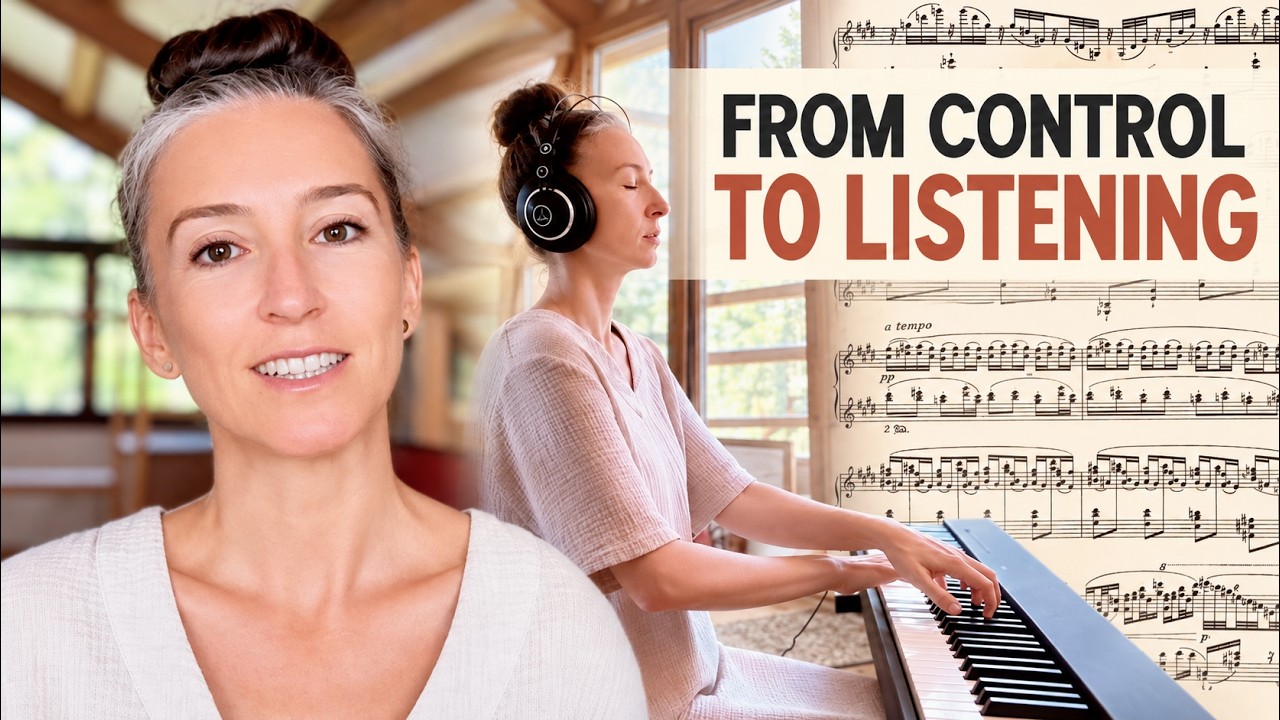
Ravel’s Jeux d’eau After 14 Hours of Practice
The first half of Jeux d’eau across fourteen hours of mental–physical practice—from score preparation and sound imagination to integration, weeding, listening and surrender.
Practice study · 26 minutes
Watch the complete study
All practice journeys
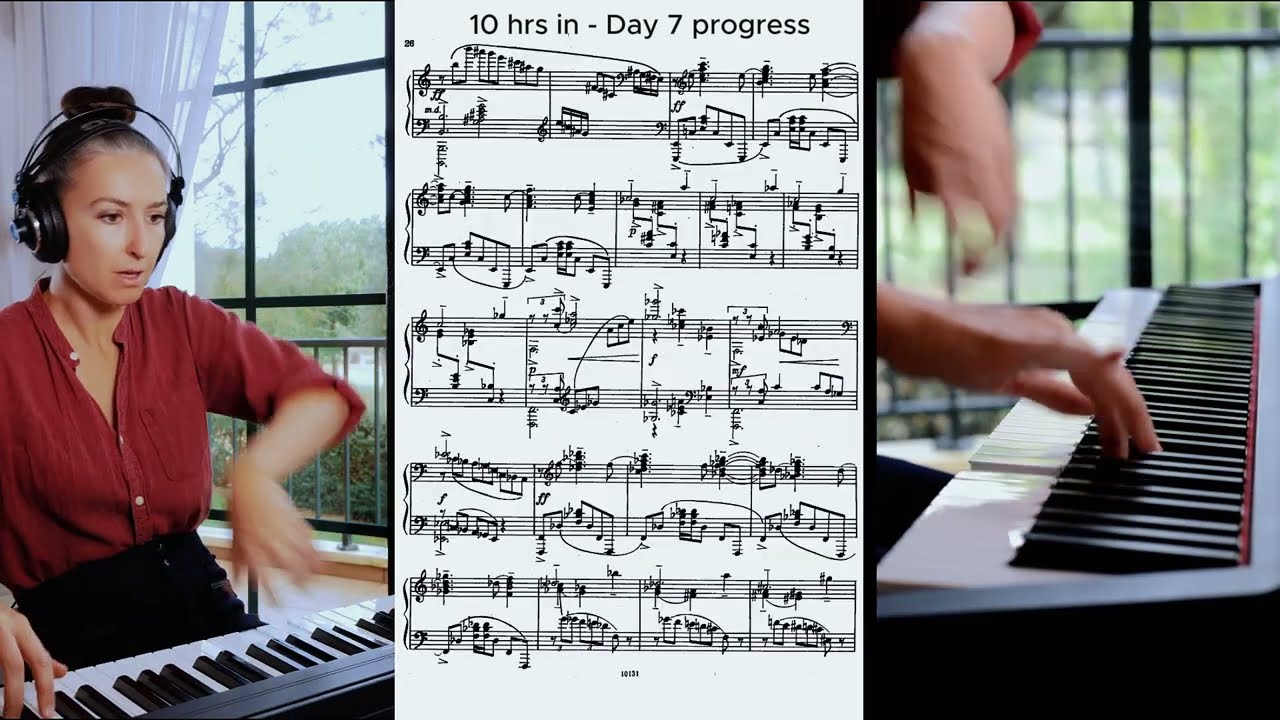
Sergei Rachmaninoff
Piano Sonata No. 2 in B-flat minor
Movement III — Middle section
A review-and-result account of the middle section, recorded in two stages after the daily work was completed.
In review · 3 videos
View the practice journey
Sergei Rachmaninoff
Piano Sonata No. 2 in B-flat minor
Movement III — Last section
A review-and-result account of the closing section, recorded in two stages after the daily work was completed.
In review · 3 videos
View the practice journey
Robert Schumann
Träumerei
from Kinderszenen, Op. 15
Seven hours of practice on a single miniature, gathered into one continuous recording with a chapter marker for each block.
Hour by hour · 1 video
View the practice journey
Philip Glass
Étude No. 6
Seven days on a single étude, one recording per day, from foundation to listening and surrender.
Day by day · 7 videos
View the practice journey
Philip Glass
Mad Rush
Seven days on Mad Rush, one recording per day, closing with the finished result.
Day by day · 7 videos
View the practice journeyLevel 1 repertoire
Post-programme repertoire
Level 1 Repertoire — Month 1
Overview
A month-one overview after the programme: three Level 1 works, five days each, gathered in one recording.
Overview · 1 video
View the finished pieces
Claude Debussy
The Little Shepherd
from Children's Corner, L. 113
Five days on the Little Shepherd, one recording per day, closing with artistry and surrender.
Day by day · 5 videos
View the practice journey
Claude Debussy
Pièce pour le Vêtement du blessé
Five days on this rarely heard piece, one recording per day, closing with artistry and surrender.
Day by day · 5 videos
View the practice journey
Maurice Ravel
Prelude in A minor
(1913)
Five days on Ravel’s short Prelude, closing with artistry and surrender.
Day by day · 3 videos
View the practice journey
Maurice Ravel
Sonatine
I. Modéré
The first movement of the Sonatine across five days, some split into morning and evening sessions.
Day by day · 6 videos
View the practice journey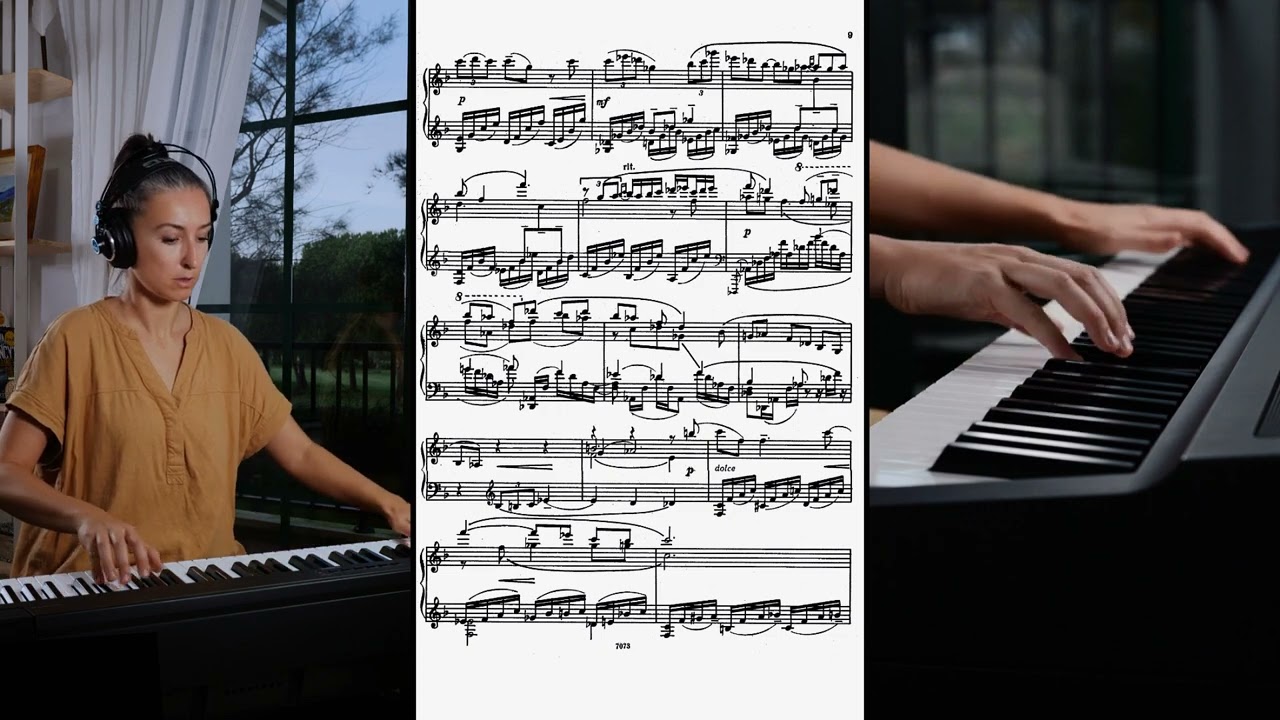
Sergei Rachmaninoff
Daisies
Op. 38, No. 3
A review-and-result account of Daisies, recorded across two stages and a closing day.
Day by day · 3 videos
View the practice journeyFrequently asked questions
- What does daily piano practice look like after completing the programme?
- Each piece is practiced step by step over several days or sessions. The work moves from the first study of the score and mental practice, through physical integration at the piano, to phrasing, musical form and timing, and finally artistry, repetition and memorization. The demonstrations show this complete process on real repertoire rather than isolated exercises.
- How is inner hearing used while learning a piano piece?
- Before and during work at the piano, the score is turned into an internal musical experience: imagining the sound texture, the movement of the sound and the individual voices within the texture. That imagined sound then organizes movement and touch, so inner singing guides intonation, arm-weight transfer and articulation as the piece is played.
- How are technically challenging passages refined?
- Once the musical foundation is in place, the piece is played through and the technically challenging passages are refined on their own. This technical stage sits between the artistry work and the final listening, so difficult passages are addressed with the musical image already established rather than as isolated drills.
- How long does each practice journey take?
- It varies by piece, but there is a rough pattern:
Some journeys run day by day, some are gathered hour by hour within a single sitting, and others are documented in review stages spanning one to two weeks. Each journey page lists its cadence and the number of recorded stages.Slow music, four to five pages About 8 days Fast, technically demanding music, four to five pages 10–14 days - Are these lessons or demonstrations of the completed process?
- They are demonstrations of the complete practice process you are working towards, not a new series of lessons to follow now. They show how a piece is prepared after the programme, from the first study of the score through to the final result.